Why Global Engagement is Non-Negotiable for African Publishers
Global book fairs and literary festivals remain vital spaces where publishers, writers, illustrators, and rights professionals come together to exchange ideas and shape the future of storytelling. Beyond the meetings and receptions, they offer opportunities to build meaningful relationships, strengthen collaboration, and expand the presence of African stories in international markets.
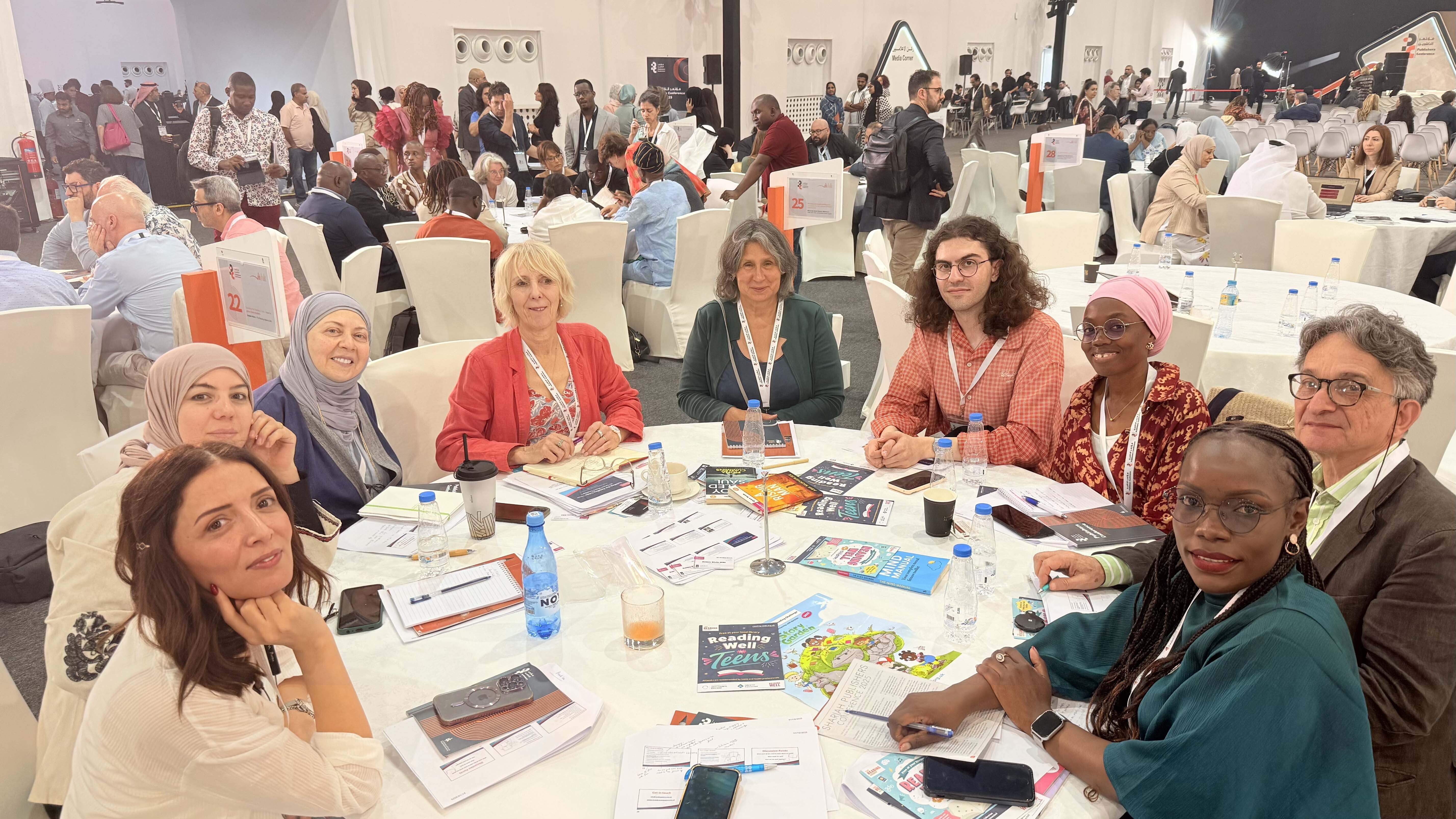
In this conversation, Joan Onyando, Publishing Manager, Maua Books (eKitabu) reflects on her experiences at the Frankfurt Book Fair and the Sharjah Publishers Conference — two influential events that continue guiding how African publishers cultivate partnerships, negotiate rights, and position their titles globally.
You recently attended Frankfurt and Sharjah. What stood out?
Both events were impactful, each in its own way. Sharjah felt warm, open, and community-driven. Conversations flowed naturally, and there was a genuine sense of accessibility and shared learning. The environment encouraged open dialogue and made it easy to connect with new partners. Frankfurt, on the other hand, was fast-paced and highly structured. Many meetings were pre-scheduled, and attendees arrived with focused objectives. Better still, the networking receptions created excellent moments for discovery — spaces where new connections formed and unexpected opportunities emerged. Together, both experiences reaffirmed how essential global engagement is for African publishers.
Manga dominates comics globally, and countries like the Philippines are rising. What future do you see for comics?
Manga certainly holds global influence, but the wider comics ecosystem is incredibly diverse. The most exciting developments often come from emergent and mid-size publishers who champion fresh voices, nurture talent, and experiment with format and style. This is encouraging for African publishers. It shows that meaningful global impact doesn’t always require large-scale operations — it can come from focused collaboration and creative partnerships. Innovation and passion remain powerful entry points into international markets.
What does this mean for Africans entering global publishing spaces?
It signals opportunity and alignment. Across Africa, emergent publishers are producing exceptional, beautifully crafted books that merit global attention. Working with committed publishers, regardless of status, opens doors. It reinforces that mutual objectives and consistency drive long-term success.
What makes a strong children’s book globally?
Visual appeal draws young readers in, but with structured editing, clarity, emotional depth, and inclusive representation keeps them engaged. Many of the standout children’s books at both fairs came from compact, highly dedicated teams — a reminder that excellence is rooted in intention, not budget. Well, having a budget is still important.
Should African publishers prioritise literary festivals or book fairs?
Both literary festivals and book fairs offer unique value, so prioritization depends on a publisher’s goals. Book fairs, like Frankfurt, are ideal for business development, while literary festivals provide space for engagement, visibility, and connecting directly with readers. For African publishers, a balanced approach works best: attending both allows you to build relationships, learn from global peers, and position books effectively in diverse markets. Consistency and strategic participation are key to a sustainable publishing business.
What were your top takeaways from the Sharjah Publishers Conference?
Sharjah was exceptional, both in the quality of its content and the sense of community it fostered. Insights from Penguin Random House offered a clear view into how practical audiobook workflows, rights management, and simultaneous multi-format releases are shaping global publishing. The New York University Publishers Training was equally valuable, providing interactive, hands-on learning that translated complex concepts into practical tools. One of the most inspiring moments came from the roundtable on growing readership, where the UK Summer Reading Challenge model — distributing over 2 million books each summer through school–library partnerships showcased what thoughtful, community engagement can achieve. This was one of the most attended roundtable discussions.
What did you learn about metadata management?
Metadata is the backbone of discoverability. Accurate categories, keywords, contributor details, and descriptions ensure that books are visible across all distribution platforms; contemporary and traditional. Strengthening our metadata systems will help us align our catalogues more strategically with our publishing goals. Good metadata is not supplementary; it is essential.
How is printing influencing publishing decisions in Kenya?
Local printing remains costly, affecting timelines and quality. Many publishers turn to India and China for their efficiency, advanced technology, and lower costs. For Kenya, the opportunity lies in learning from these models; investing in modern equipment, streamlining production, and improving workflows, so local books can meet global standards without compromising quality.
Final thoughts?
Participating in global publishing spaces makes it clear that Africa is ready; ready with quality, creativity, and stories that resonate widely. The more we engage, collaborate, and learn, the stronger our work becomes. I am optimistic about the future and excited for the partnerships and possibilities ahead.