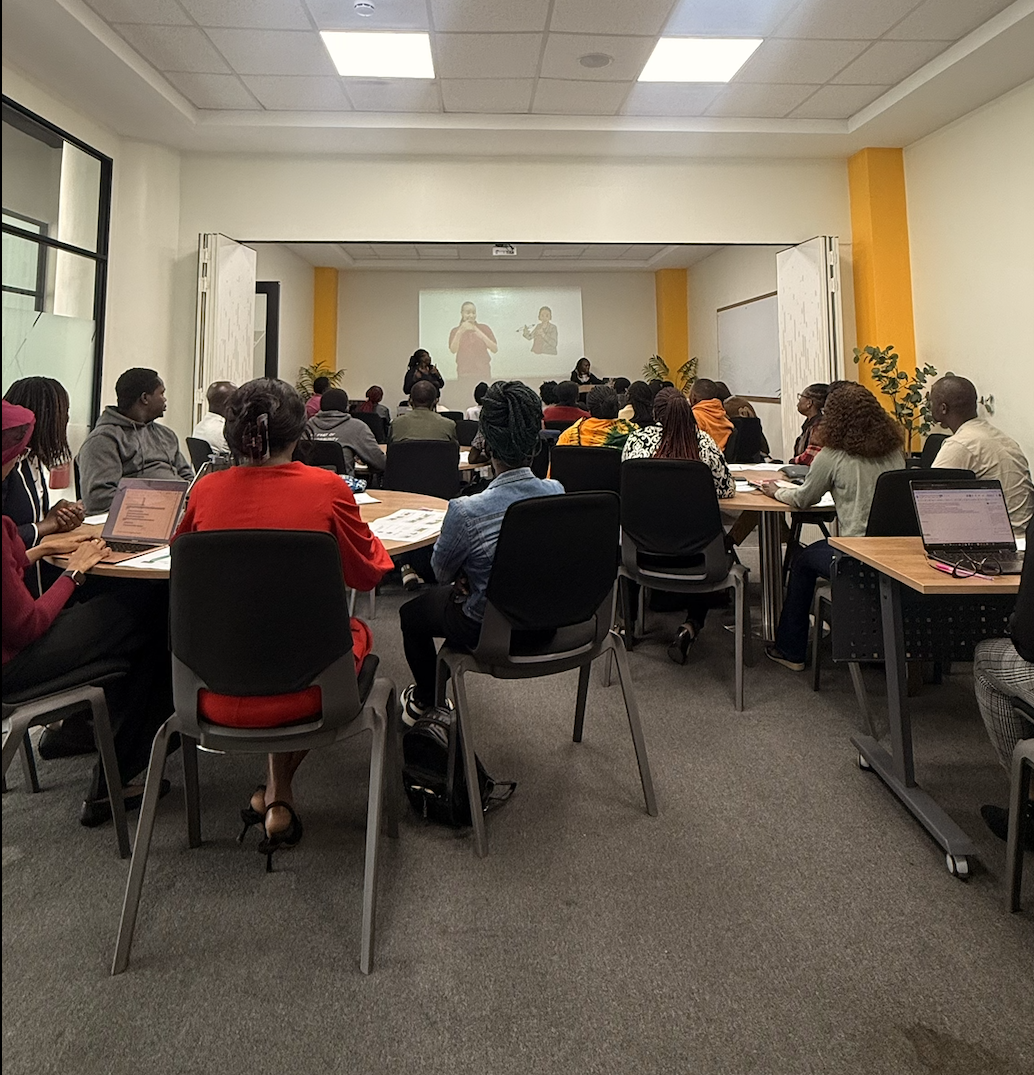
In December 2025, a three-day teacher training workshop was held to equip educators with practical skills and strategies to support deaf and hard-of-hearing learners. The training focused on Universal Design for Learning (UDL) principles, play-based learning, digital content utilization, and assessment tools, thus preparing teachers to create inclusive and language-rich classroom environments.
The workshop took place in Nairobi and was facilitated by eKitabu, with support from the Global Partnership for Education Knowledge and Innovation Exchange (KIX), a joint endeavour with the International Development Research Centre (IDRC), Canada, under the Scaling Inclusive Early Learning with Deaf Children project. The training brought together 62 teachers from 10 counties across Kenya and formed part of an annual teacher development programme aimed at championing inclusive education.
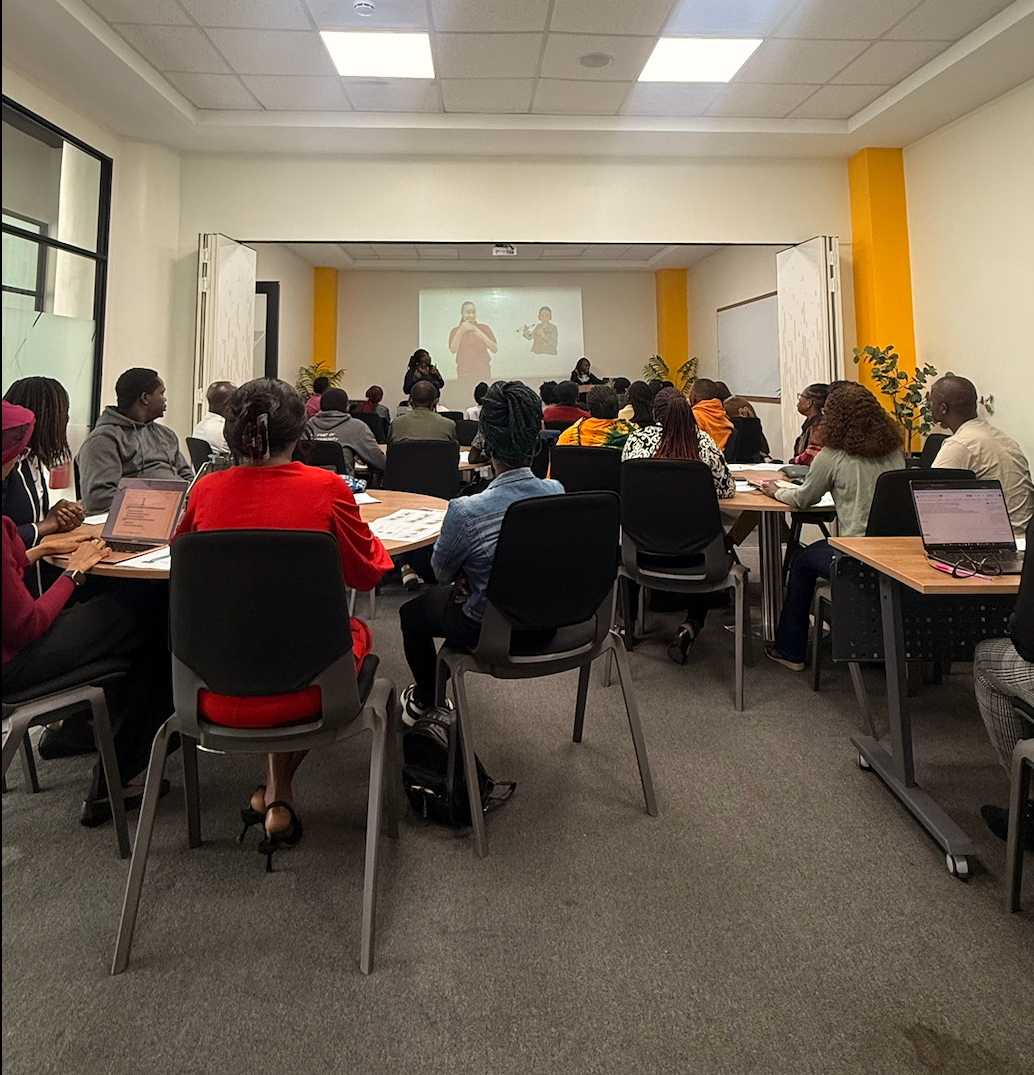
Participants during a training session.
Objectives of the Training
The workshop aimed to ensure that teachers could:
- Apply UDL principles in teaching and learning.
- Access eBooks with sign language content and integrate Digital StoryTime (DST) resources effectively in the classroom.
- Use play-based learning activities to support language acquisition for deaf and hard-of-hearing learners.
- Understand and apply KOL (Key Observation Lists) to assess learning gains and design interventions.
- Administer RSLA (Receptive and Structured Language Assessment) to track student progress.
- Record and monitor sessions using the DST logbook.
Workshop Activities
The three-day training offered a blend of interactive sessions, hands-on practice, and reflective discussions:
- Day One focused on UDL principles and lesson design. Teachers explored learner variability, brain networks, and practical applications of UDL in planning and classroom instruction. Sessions included hands-on practice, lesson design exercises, and reflection time to consolidate learning.
- Day Two emphasized digital content utilization and assessment strategies. Participants learned to access eBooks with sign language videos, integrate DST content into lessons, and implement KOL-based assessments to monitor language acquisition. This included structured exercises on observing learning progress and designing interventions tailored to student needs.
- Day Three covered RSLA administration, language planning, and play-based learning activities. Teachers were trained to apply assessment tools, plan language-focused activities, and record sessions using logbooks. The day concluded with reflection, post-surveys, and certification, ensuring participants left with actionable skills and confidence to implement their learning.
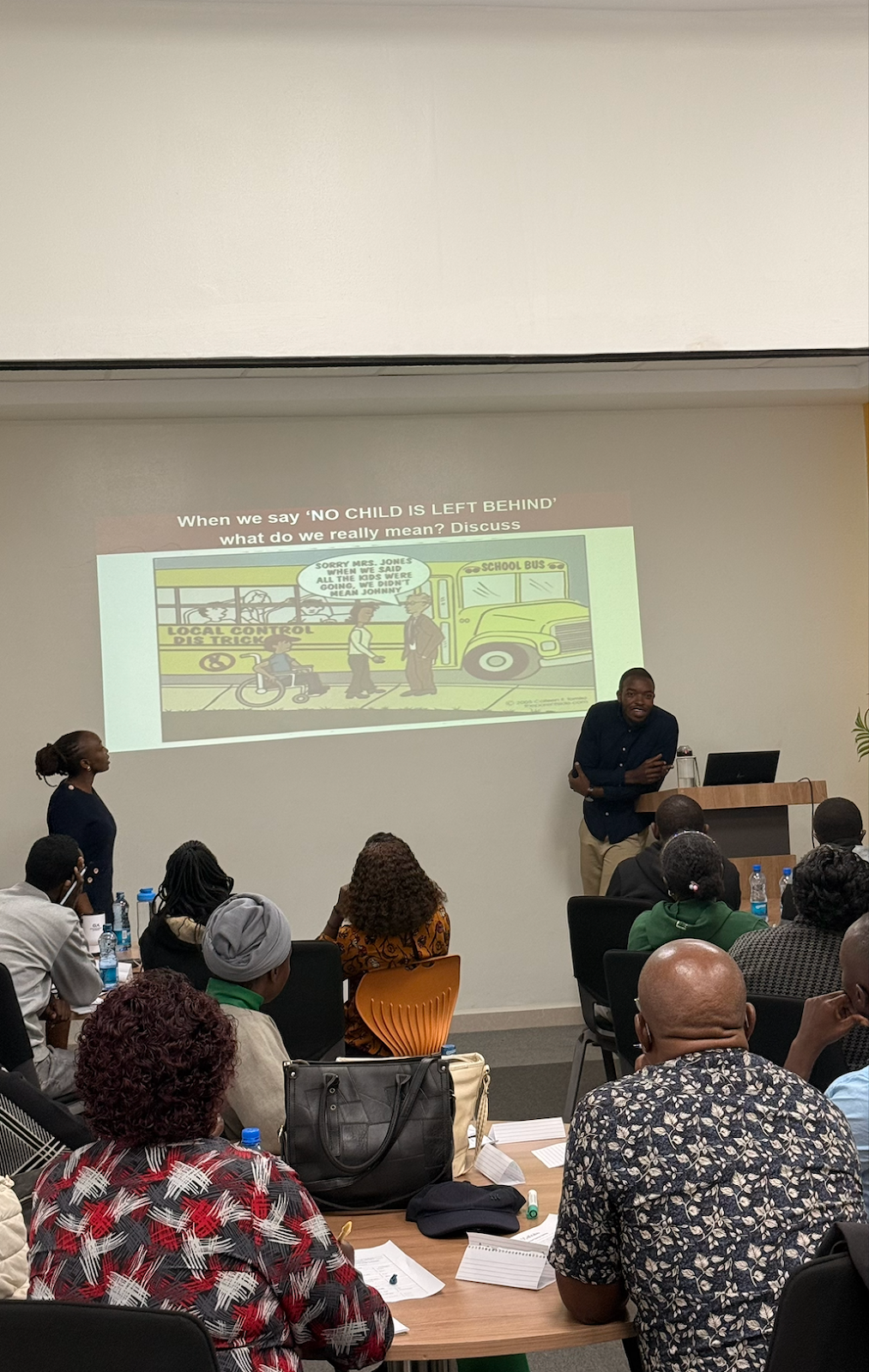
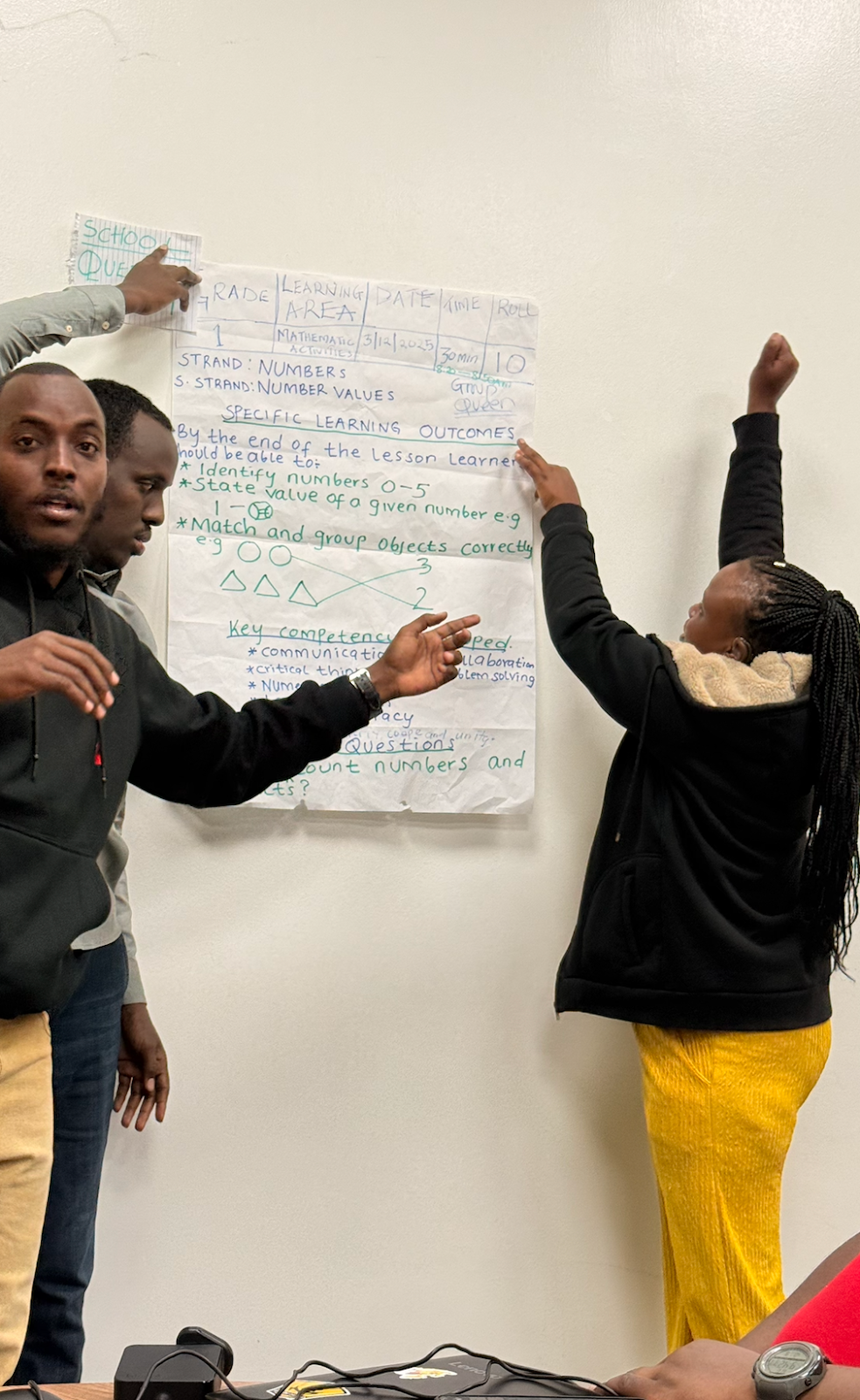
Participants engaged in an interactive training session
Practical Approaches for Literacy and Language Development
The training also provided strategies to enhance literacy and language acquisition for deaf learners:
- Integrating sign language with written text to make learning fully accessible.
- Using play-based and interactive learning to engage learners and reinforce comprehension.
- Monitoring progress with KOL and RSLA to identify gaps and guide interventions.
- Encouraging language-rich classroom and home environments, supporting early and consistent exposure to sign language.
Transforming Learning Experiences
By the end of the workshop, teachers were equipped with practical tools and approaches to enhance learning outcomes for deaf and hard-of-hearing students. From UDL lesson planning and digital content integration to assessment and play-based activities, participants gained hands-on experience to create inclusive, engaging, and language-rich classrooms.
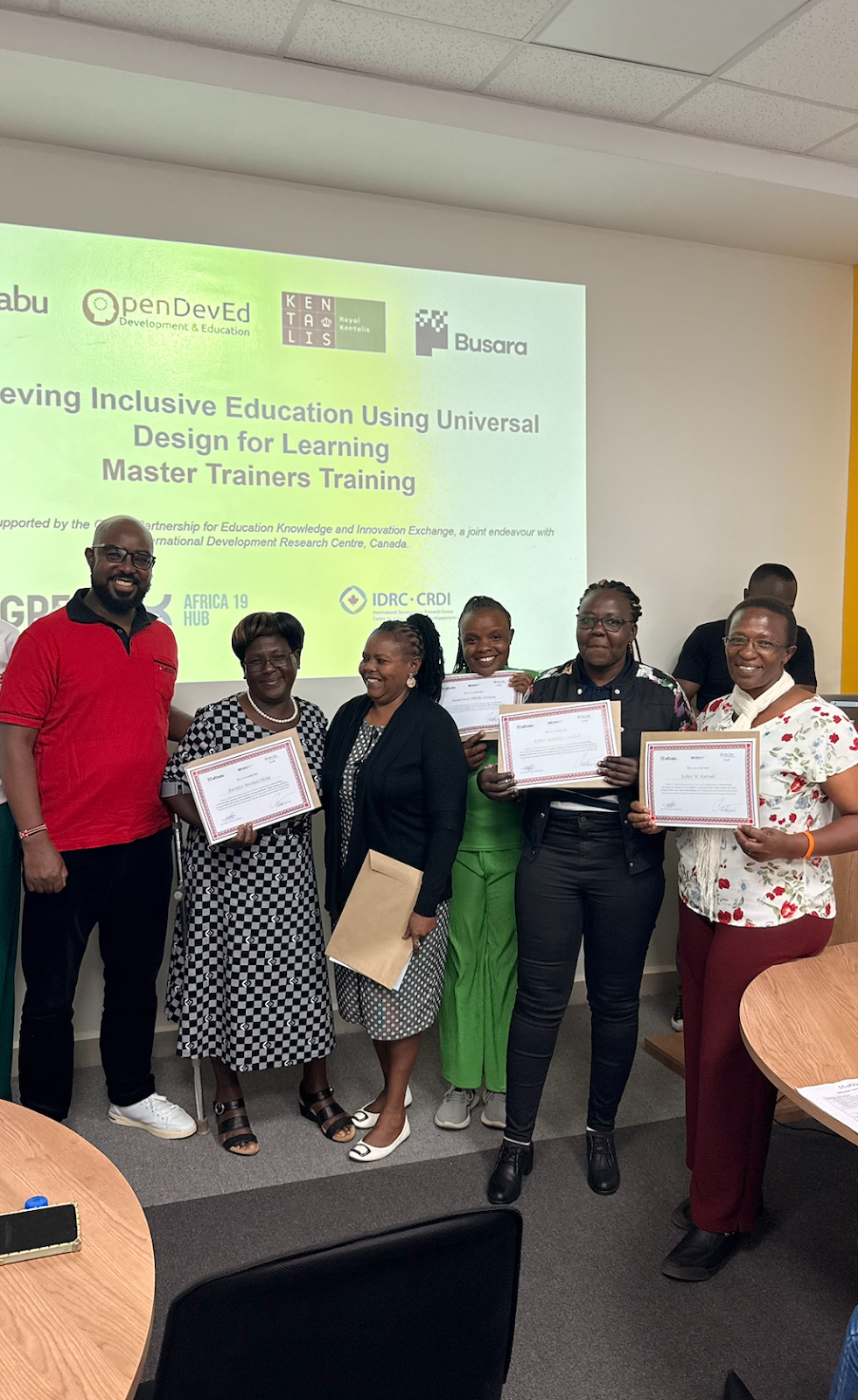
Teachers from Murang’a School for the Deaf receiving certificates after completing the training on inclusive learning.
This training highlights the programme’s ongoing commitment to empowering educators, ensuring that every deaf learner has access to quality, accessible education, and the opportunity to thrive academically and socially.
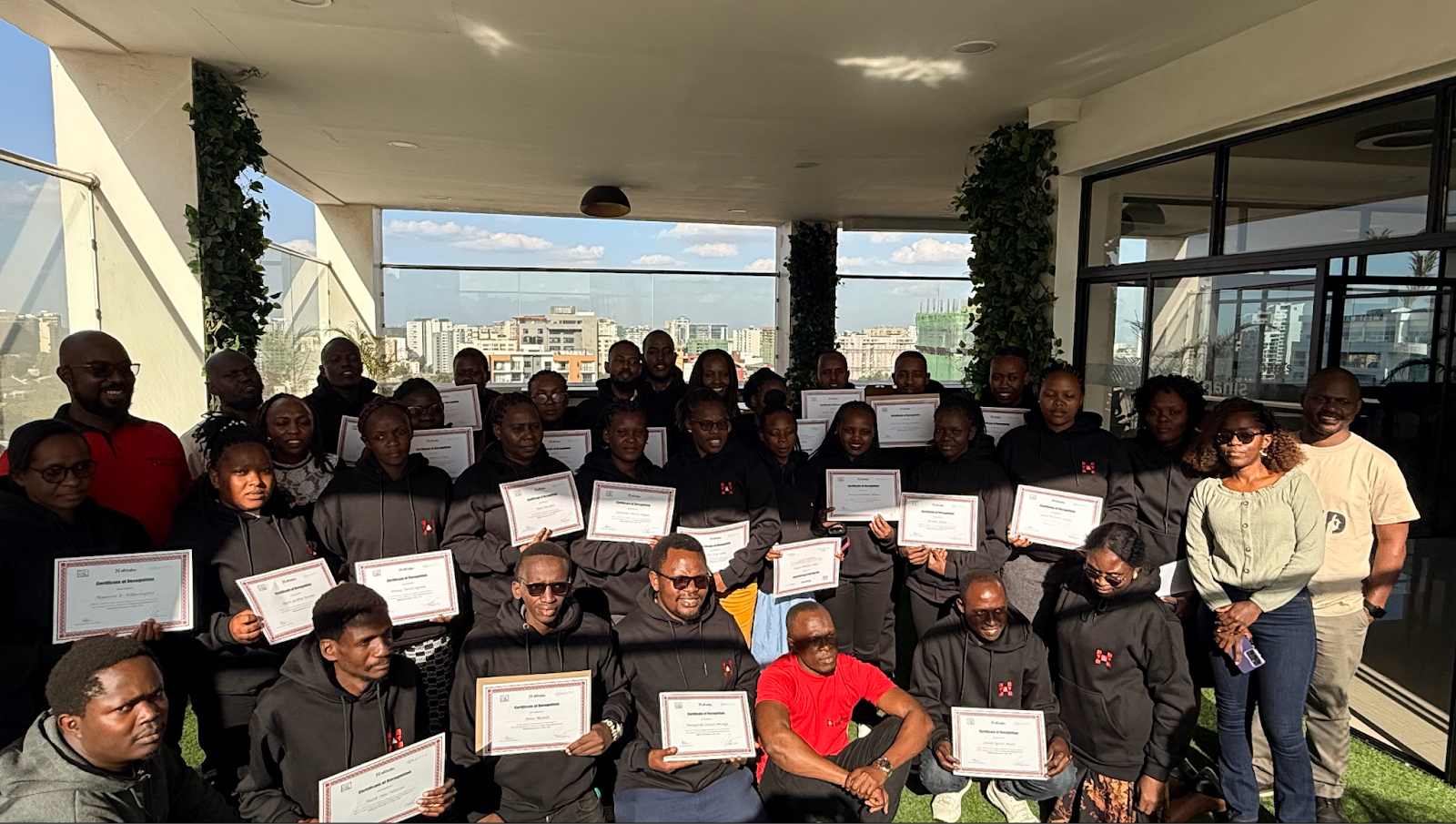
Participants were awarded certificates upon successful completion of training.