In May 2026, eKitabu, Clovernook, and ChipuRobo launched the Braille Challenge and Inclusive Robotics pilot for learners with visual impairment in Kenya. The programme was implemented in three schools for visually impaired learners:
- Thika Primary School for the Visually Impaired (14 May)
- Thika Secondary School for the Visually Impaired (15 May)
- Likoni School for the Visually Impaired (15 May)
The objective of this pilot was to promote braille literacy and inclusive robotics as a tool for developing skills to ensure that learners with visual impairment are prepared for the world as far as application of Science, Technology, Engineering, and Mathematics (STEM) is concerned.
Promoting Braille Literacy Through Friendly Competition
Braille remains a critical tool for educating learners with visual impairment. To recognize and encourage braille foundational literacy and proficiency, the project organized a Braille Challenge that engaged more than 300 visually impaired learners across the three schools.
The challenge created an opportunity for learners to demonstrate their braille reading and writing skills in a fun and engaging environment. Beyond the competition, the event highlighted the importance of continued investment in braille literacy as a foundation for academic success and improving the life chances of blind and visually impaired learners.
Inclusive Robotics
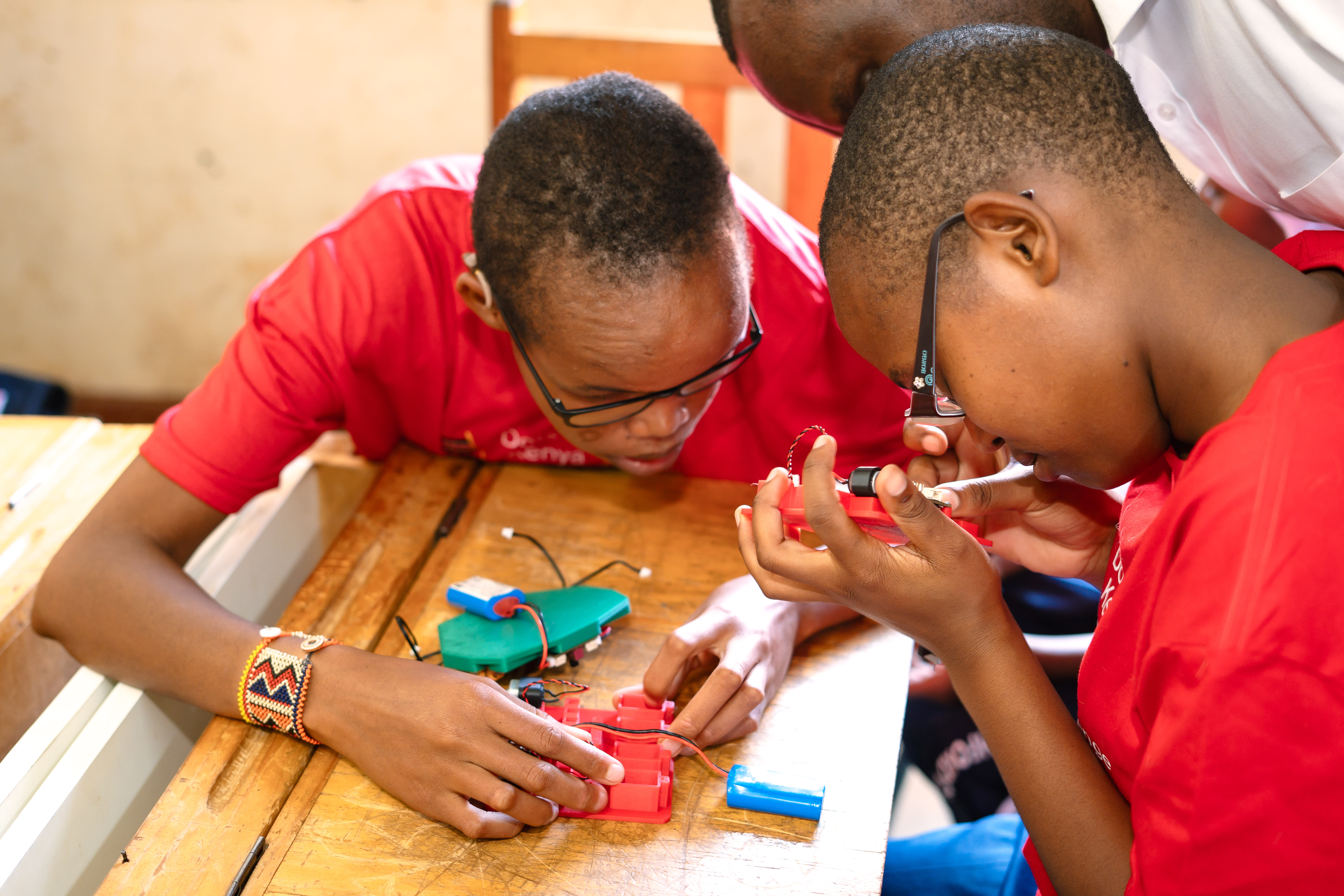
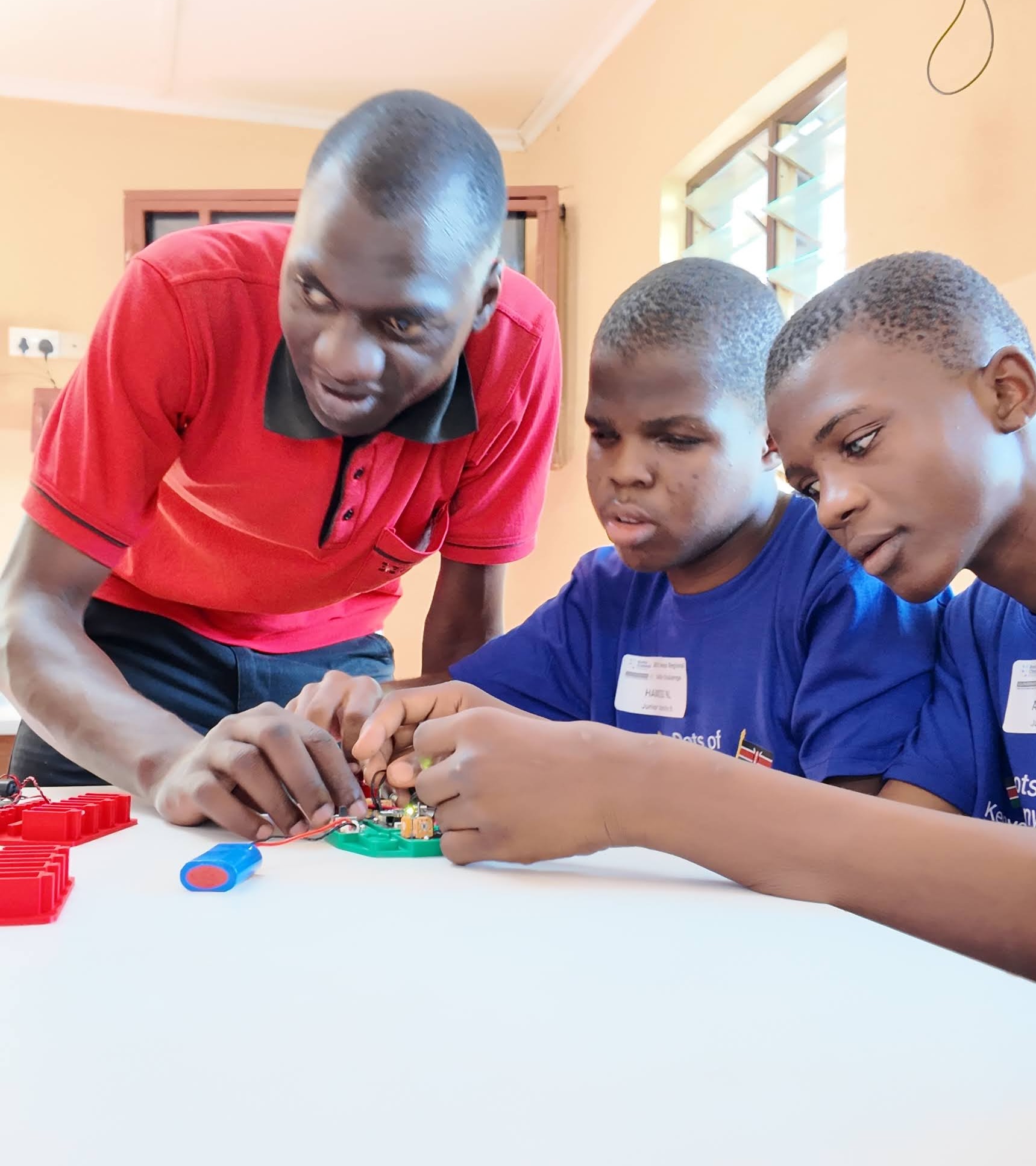
Alongside the Braille Challenge, the project also introduced visually impaired learners to Inclusive Robotics activities. A total of 45 learners across the three schools participated in hands-on sessions to demonstrate how technology can be adapted to ensure that learners with visual impairment are not being left behind in STEM education.
The sessions focused on practical learning, allowing visually impaired learners to explore robotics concepts through accessible approaches. Learners were encouraged to solve a problem by assembling a robot through collaboration, hence allowing them to engage with technology in ways that challenged common assumptions about who can participate in robotics and coding.
The pilot demonstrated that with thoughtful design and appropriate support, visually impaired learners can actively participate in inclusive robotics and develop skills that are increasingly important in today’s digital world.
Building Teacher Capacity for Sustainable Impact
A key component of the pilot was educator engagement. In addition to teachers from the host schools, five teachers from different schools teaching visually impaired learners were invited to participate and learn from the experience. These included:
- Two teachers from St. Lucy School for the Visually Impaired
- Two teachers from Kitui School for the Visually Impaired
- One teacher from Kangundo District Education Board (DEB)
By involving teachers from multiple schools, the project sought to build a community of practitioners who can champion inclusive robotics within their own schools. The participation of these teachers creates opportunities for knowledge sharing and scaling the model.
Looking Ahead: Scaling Inclusive Robotics and Braille Literacy
The success of this pilot demonstrates strong potential for combining braille literacy initiatives with accessible STEM learning opportunities (Inclusive Robotics). Learners showed enthusiasm, engagement, curiosity, and confidence when provided with opportunities to engage with robotics in an inclusive learning environment. Teachers, on the other hand, expressed interest in expanding these approaches within their schools and with fellow teachers.
There are still a lot of learners with visual impairment who lack access to accessible robotics and assistive technology in regard to STEM learning. Scaling this programme would allow more schools, teachers, and visually impaired learners to benefit from innovative approaches that promote inclusion in education.
eKitabu, Clovernook, and ChipuRobo are committed to building on lessons learned from this pilot and exploring partnerships that can expand its reach. Additional support from donors, corporate partners, and other stakeholders will be critical to bringing inclusive robotics and braille literacy programmes to more visually impaired learners across Kenya. Together, we can create a future where learners with visual impairment have equal learning opportunities.